Thick Client

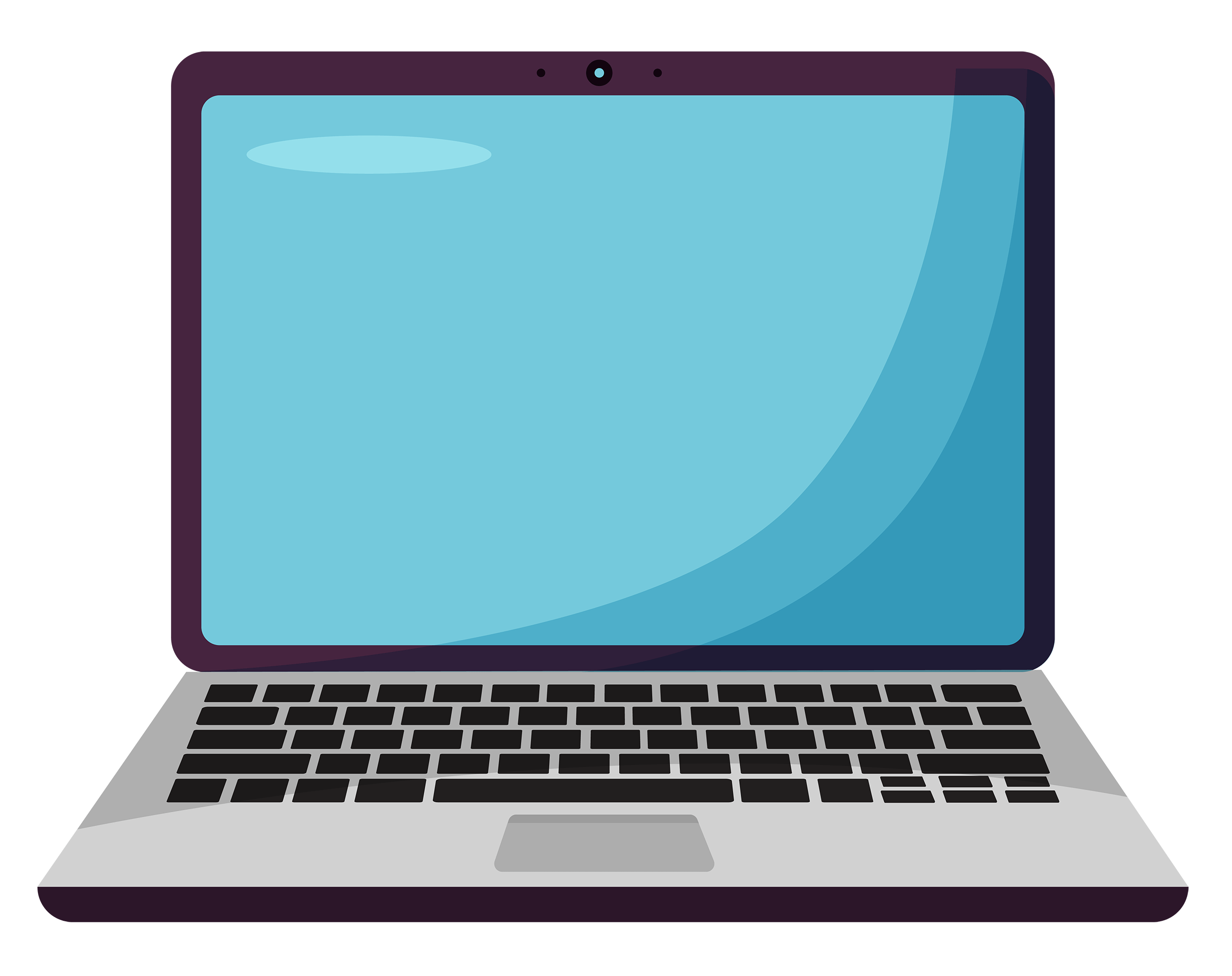
A thick client (also called a heavy client) is a fully-functional computer that performs most processing locally rather than relying on a server. Unlike a thin client, a thick client includes its own operating system, storage, and applications, allowing it to operate independently — even when not connected to a network.

While a thick client can function offline, it is still considered a "client" when connected to a server or network. Clients may access shared resources such as files, databases, authentication services, or centrally-managed applications. However, the core software and computing power reside on the local machine rather than the server.
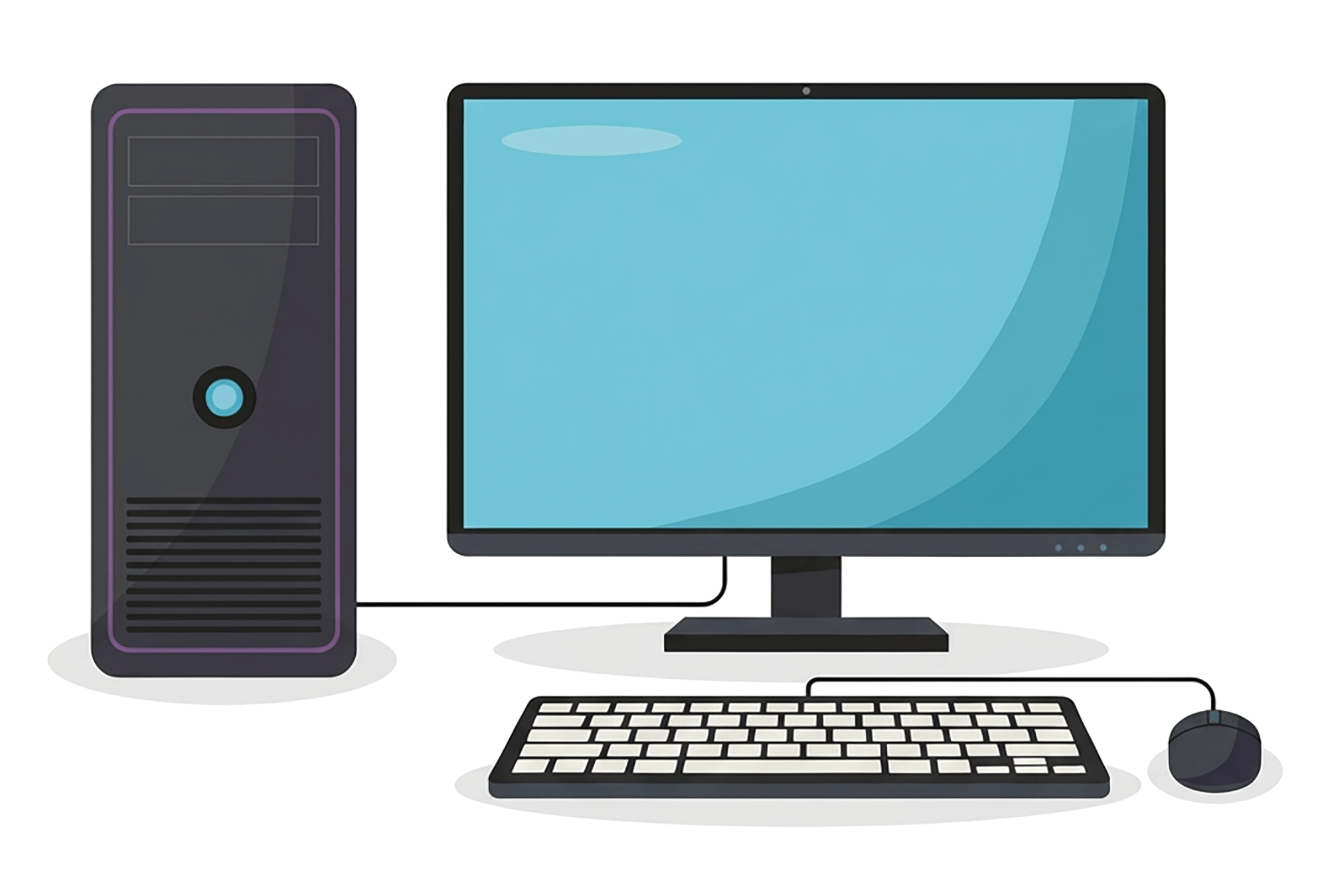
Thick clients are commonly used in business and professional environments where performance, offline access, or specialized software is required. Examples include desktop PCs and laptops that run locally installed applications like design software or productivity suites. A thick client used for a specialized purpose is also called a workstation.

Updated December 17, 2025 by Per C.

quizTest Your Knowledge

Every device that connects to a cellular network has a unique ID called what?

A
IEED
0%
B
IMEI
0%
C
MEID
0%
D
CDIE
0%
Correct! Incorrect!     View the IMEI definition.
More Quizzes →

The Tech Terms Computer Dictionary

The definition of Thick Client on this page is an original definition written by the authors of TechTerms.com. If you would like to reference this page or cite this definition, please use the green citation bar directly below the definition.

Our goal is to explain computer terminology in a way that is easy to understand. We strive for accuracy and simplicity with every definition we publish. If you have feedback about this definition or would like to suggest a new technical term, please contact us.

The Tech Terms Newsletter

Improve your technical knowledge with our daily or weekly newsletter! Subscribe today and get new terms and quizzes delivered to your inbox.

Sign up for the free TechTerms Newsletter

How often would you like to receive an email?

You can unsubscribe or change your frequency setting at any time using the links available in each email.

Questions? Please contact us.