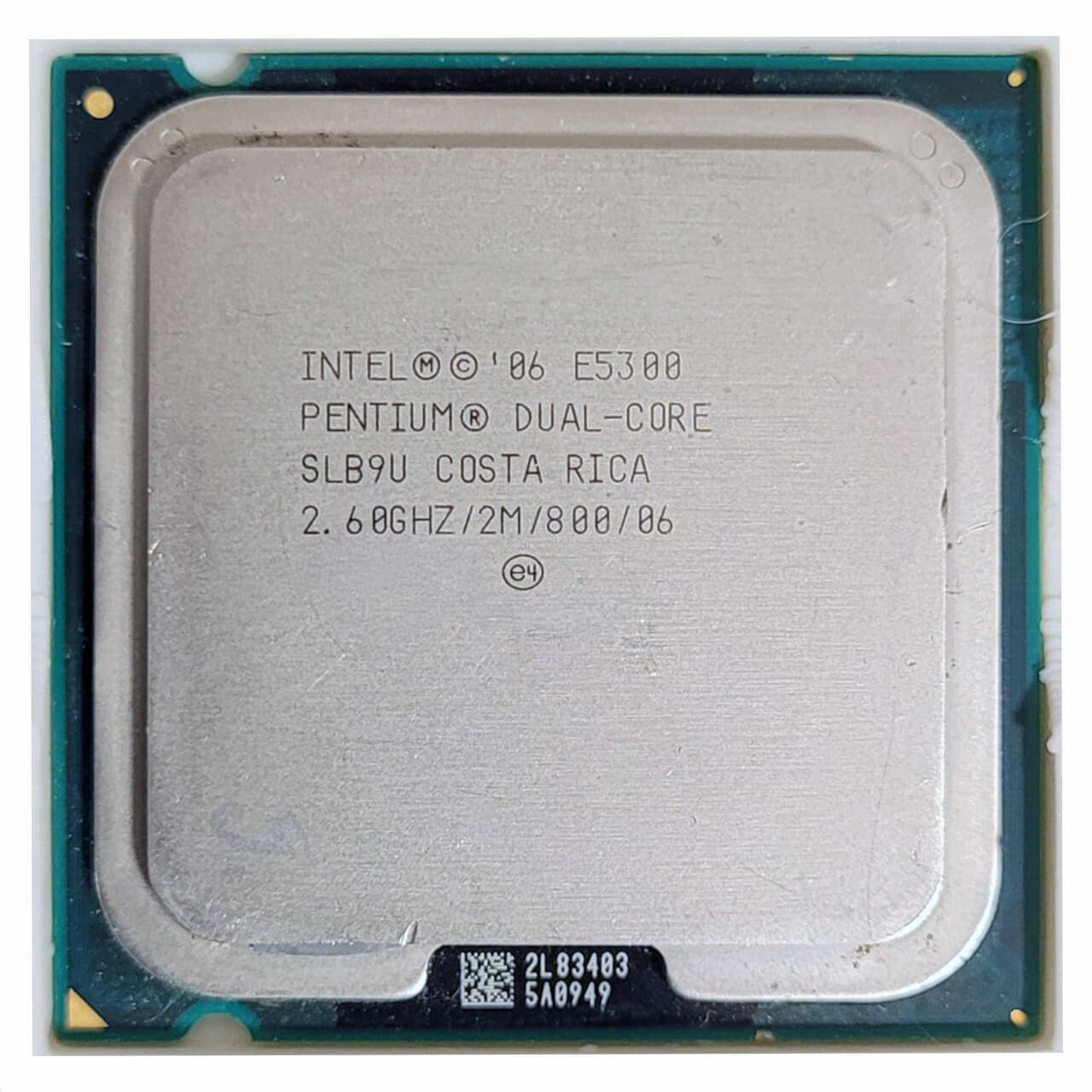
Dual-Core
A dual-core processor is a CPU with two processing cores in a single integrated circuit. Each core can execute instructions independently, allowing the CPU to process two sets of operations simultaneously.
The two cores may share resources, such as cache memory and system memory. Some dual-core CPUs also support multithreading, which allows each physical core to run more than one thread. Such a processor may appear to the operating system (OS) as having four logical processors, even though it has only two physical cores.
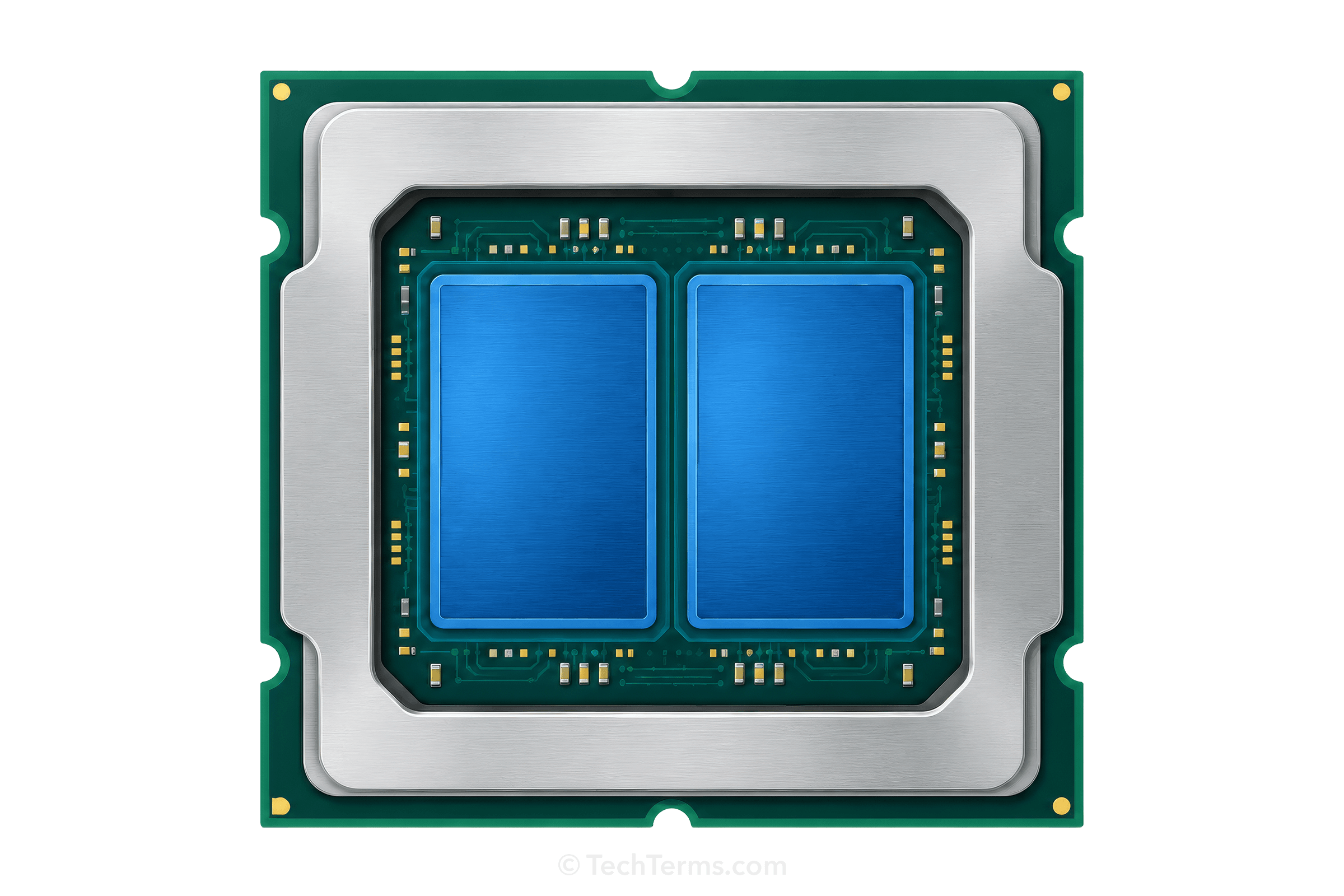
The OS distributes tasks and threads between the two cores. Software designed for parallel processing can use both cores at once, while single-threaded software may use only one. Therefore, a dual-core processor can boost processing speed, but it rarely doubles the performance of an equivalent single-core CPU.
Beyond two cores
Dual-core CPUs became common in personal computers during the mid-2000s and provided a significant improvement over single-core processors. Most modern desktop computers, laptops, and even mobile devices now contain processors with more than two cores. Processors with four, six, or eight cores are called quad-core, hexa-core, and octa-core processors, respectively.
 Test Your Knowledge