

Standalone
"Standalone" refers to hardware or software that can function on its own, without relying on another device or application.
Hardware
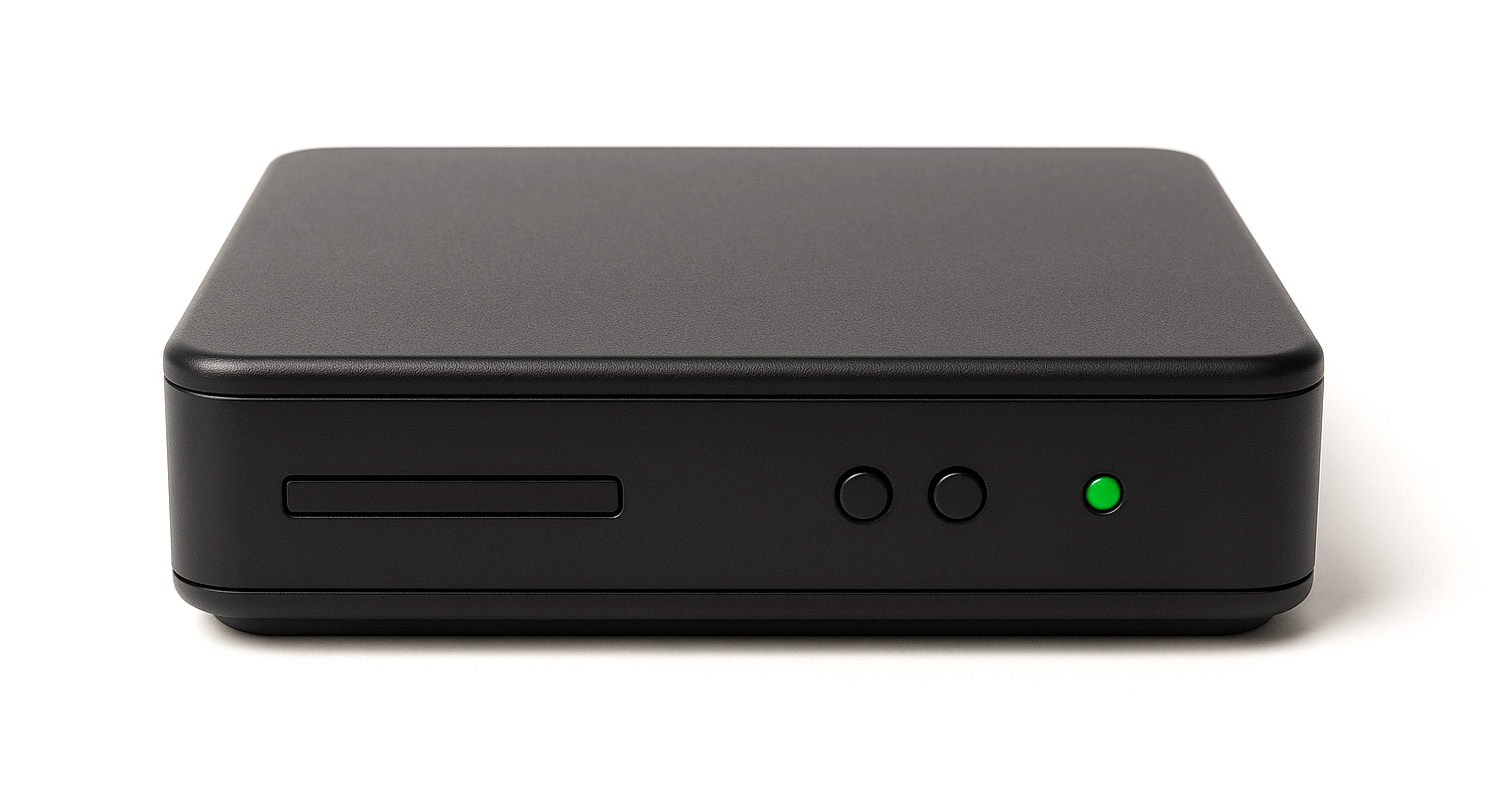
A standalone device includes all the components it needs to operate independently. It does not have to be built into, attached to, or controlled by another system. Common examples include external hard drives, wireless routers, digital cameras, smart speakers, cable boxes, and streaming boxes like Roku or Apple TV.
These devices provide their full functionality out of the box, while integrated systems — such as a router built into a cable modem or a camera built into a smartphone — combine multiple features into a single product. Standalone devices are often more customizable and may offer better performance for their specific purpose, though integrated systems can be more convenient and cost-effective.
Software
Standalone software runs directly on the operating system and does not depend on another application to launch or function. Web browsers, media players, photo editors, and most utilities fall into this category, since they work independently once installed.
In contrast, plug-ins, browser extensions, and expansion packs are not standalone. These add-ons require a host application — such as a web browser, video editor, or game engine — to provide the environment in which they run. Standalone software tends to be easier to install, manage, and update because it doesn't rely on external components.
 Test Your Knowledge